Do you notice small irregularities on your forehead, giving your skin a grainy texture that’s unpleasant to the touch? This very common phenomenon can have several origins, from an accumulation of dead cells to a hormonal imbalance. In this article, discover the main causes of this irregular texture, as well as effective solutions to restore smooth, even skin.

Causes of a granular forehead
Grainy forehead skin doesn’t just happen. In fact, several factors may be responsible.
The main culprit? Excessive sebum production. Oily skin is particularly sensitive to this, especially on the forehead, which forms part of the famous “T-zone”. When pores become clogged, skin becomes uneven and takes on that characteristic grainy texture.
Hormones also play an important role. Hormonal changes can stimulate the sebaceous glands, increasing sebum production. This is why this problem is often seen during adolescence or certain periods of the menstrual cycle.
Other factors can aggravate the situation:
- The accumulation of dead cells on the skin’s surface
- Allergic reactions to certain products
- Irritation caused by unsuitable cosmetics
- A skincare routine that doesn’t match your skin’s needs
In some cases, granular texture can be linked to specific conditions such as keratosis pilaris. This is an accumulation of keratin that clogs the hair follicles and creates those characteristic little bumps.
Stress and pollution can also play spoilsport, upsetting your skin’s natural balance. Not to mention a poor diet, which can deprive your skin of the nutrients it needs to stay healthy.
Faced with all these possible causes, it becomes essential to adopt targeted solutions to regain smooth, even skin. Let’s take a look at some practical ways to improve the appearance of the forehead.
Accumulation of dead cells: a frequent cause
The accumulation of dead cells on the forehead is a natural phenomenon that increases with age. Our skin is constantly renewing itself, but sometimes this process slows down. The result? Dead cells pile up on the surface, creating that famous grainy texture.
This slowdown can have several origins. Over time, natural skin renewal becomes less efficient. Some people are also affected by specific conditions such as psoriasis or eczema, which disrupt this normal cycle.
The good news is that you can do something about it. Gentle exfoliation with salicylic- or lactic-based products helps to gently remove these dead cells. It’s also important to moisturize the skin with hyaluronic acid-enriched products. If, despite these measures, the patches persist, it’s best to consult a dermatologist to make sure there’s nothing else going on.
Excess sebum and clogged pores
Excess sebum is often the culprit behind grainy forehead skin. Our sebaceous glands can sometimes go into overdrive and produce too much of this natural oily substance. The result? Sebum builds up, clogging pores and creating those nasty little bumps.
Several factors can trigger this overproduction: stress, pollution, or even the use of overly rich cosmetics. Hot showers don’t help either – they stimulate sebum production even more.
To remedy this, opt for a simple but effective routine. Gentle cleansing morning and night with non-comedogenic skin care products is often all that’s needed. Purifying masks once or twice a week can also help control excess sebum. Just avoid harsh formulas that could irritate your skin and aggravate the problem.
Impact of environmental and lifestyle factors
Your daily environment has a direct influence on the condition of your skin. Pollution, stress and smoking are real enemies for your forehead: they stimulate sebum production and can irritate the skin. Even seemingly innocuous gestures, such as taking a hot shower, can weaken the skin barrier.
Your choice of skincare products is also very important. Some cosmetics, especially if they contain synthetic or petroleum-derived ingredients, can clog your pores. And if you wear heavy make-up and don’t wash it off properly at night, you’re guaranteed to have problems.
A few simple changes are all it takes to protect your skin. Use lukewarm water to wash your face. Choose light, non-aggressive products. And if you wear make-up, take the time to thoroughly cleanse your skin before going to bed.
Solutions for eliminating grainy skin on the forehead
Gritty forehead skin doesn’t have to be that way. With the right care and a little patience, you can regain smooth, comfortable skin.
Here are the most effective solutions for improving the texture of your forehead:
- The right cleaning routine
Cleanse your face morning and night, without excess. Choose a gentle, soap-free cleanser that removes impurities without aggressing your skin. Avoid products that lather too much: they can disturb your skin’s natural balance.
- Gentle exfoliation
Once or twice a week, use a light chemical exfoliant. Products containing salicylic acid or lactic acid are ideal for this type of problem. They gently remove the dead cells that give the skin that grainy appearance. Caution: do not use mechanical exfoliants (grainy scrubs), as they can irritate your skin.
- Targeted moisturizing
Choose lightweight skin care products enriched with hyaluronic acid. This molecule helps your skin retain water, which naturally improves its texture. Products containing niacinamide are also highly effective: they regulate sebum production while soothing the skin.
- Everyday good habits
- Avoid touching your forehead with your hands
- Remove your make-up every night, without exception
- Change your pillowcase regularly
- Tie back your hair while you sleep if it comes into contact with your forehead.
If, despite these treatments, you still don’t see any improvement after a few weeks, don’t hesitate to consult a dermatologist. He or she will be able to suggest a more appropriate treatment for you.
Exfoliate regularly to smooth skin
Exfoliation is the key to smooth skin on the forehead. But be careful: don’t use just any scrub! Choose products with very fine grains so as not to aggress your skin. Once a week is more than enough. It’s the regularity that counts, not the intensity.
For effective exfoliation, apply your scrub to damp skin using gentle, circular movements. Avoid rubbing hard, as this may irritate your skin.
After exfoliation, rinse thoroughly with lukewarm water and finish with a spray of cold water. Don’t forget to moisturize your skin immediately afterwards. If you have sensitive skin, test a small area first and space out exfoliation sessions every two weeks.
Moisturize and soothe the skin
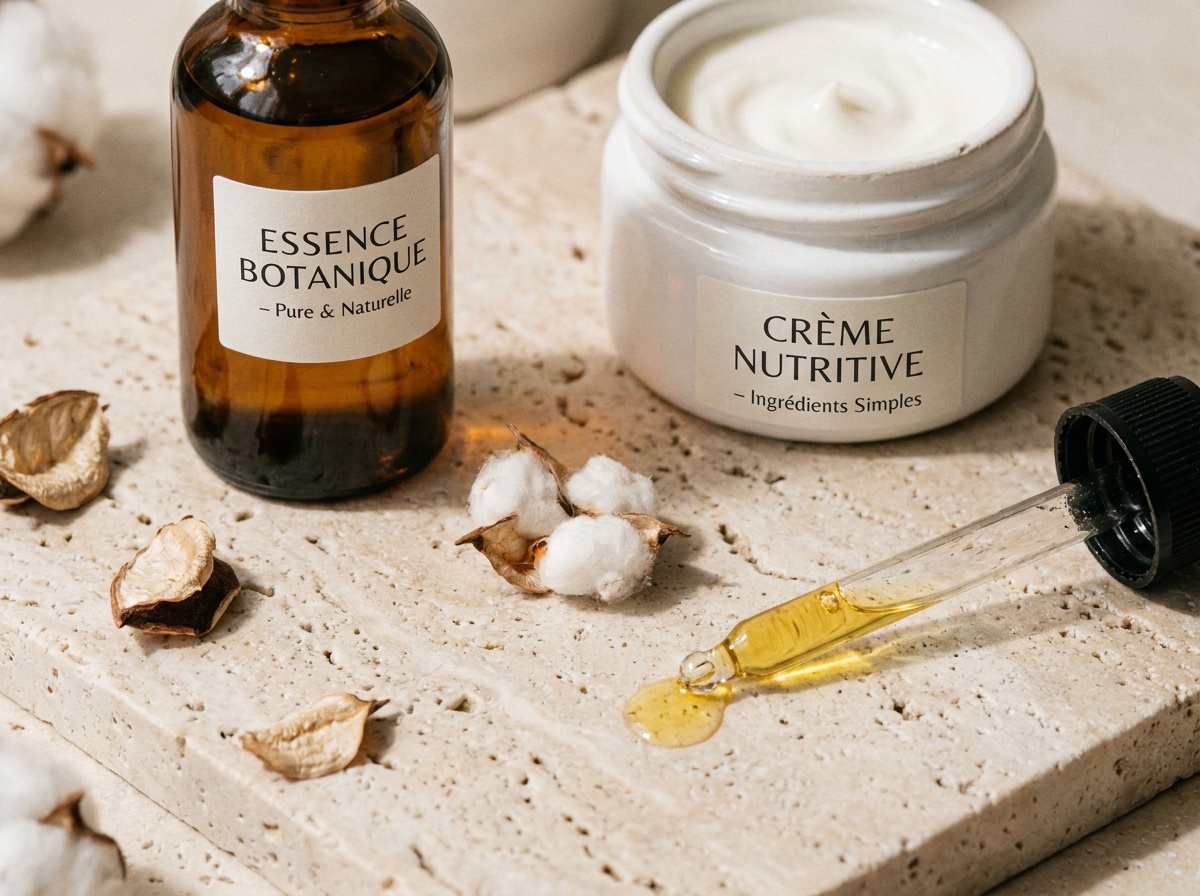
For best results, apply your moisturizer to clean, slightly damp skin. This technique helps lock in moisture. If your skin is particularly dry, you can add a few drops of sweet almond oil to your cream at night.
Don’t forget that hydration also comes from within: drink enough water throughout the day. Avoid hot showers, which can further dry out your skin. A simple, regular routine will produce far better results than an accumulation of products.
Techniques to reduce irregular forehead texture
To effectively smooth the texture of your forehead, several techniques have been tried and tested. Medical microneedling, performed in 3 to 6 sessions, naturally stimulates collagen production. It’s an interesting option for persistent cases.
On a daily basis, opt for double cleansing: start with a gentle cleansing oil, followed by a soap-free foaming gel. This method thoroughly eliminates impurities without harming the skin.
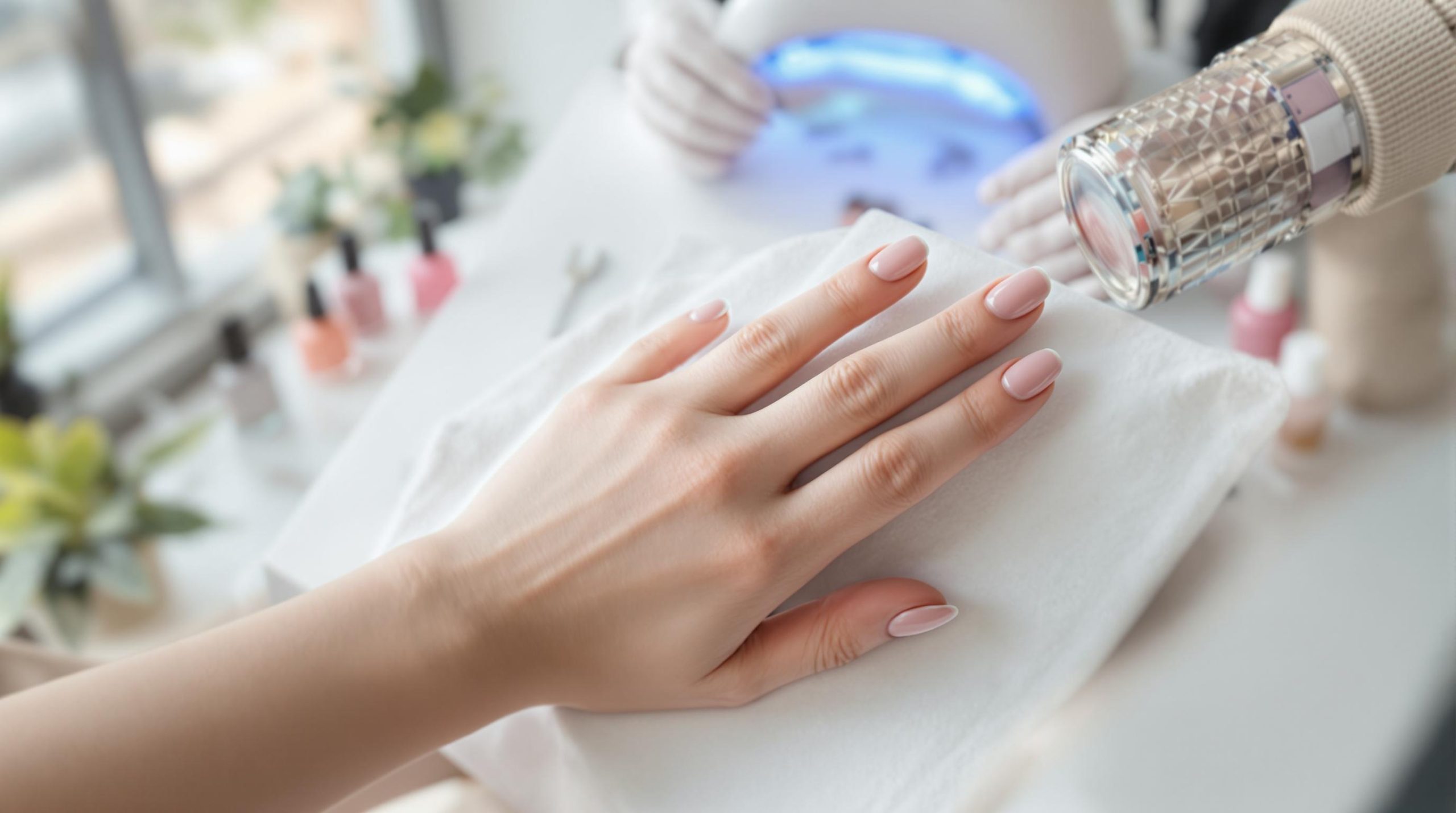
LED light therapy represents a gentler alternative. A weekly session is sufficient, alternating red light for collagen and blue light for purification. For rapid results, Carbon Laser Peel combines activated charcoal and laser to tighten pores while regulating sebum.
Don’t hesitate to consult a dermatologist if these techniques don’t produce satisfactory results after a few weeks. He or she will be able to identify any pathologies such as psoriasis or eczema and suggest an appropriate treatment.